Razer Blade 16 (2026) Review: OLED, 240Hz, and a Genuinely Next-Gen GPU
8.8/10
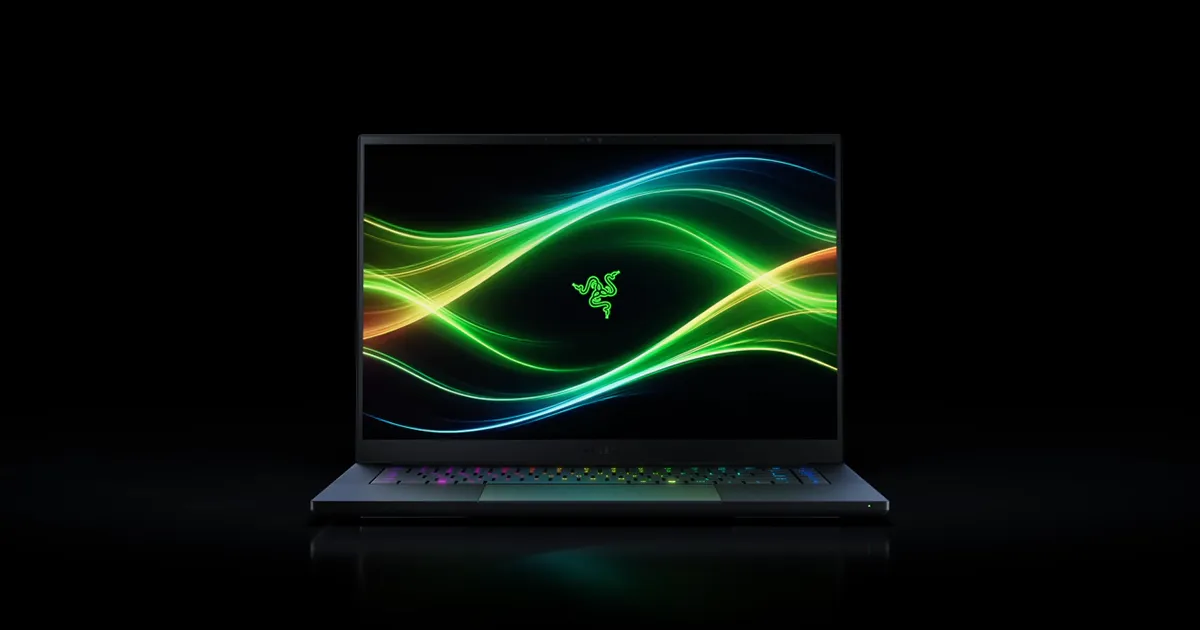
The 2026 Razer Blade 16 moves the line's flagship up to an Intel Core Ultra 9 386H — a 16-core chip — paired with an NVIDIA GeForce RTX 5070 Ti laptop GPU, one tier above the RTX 5070 found in ASUS's ROG Strix G16. On a 16-inch QHD+ (2560x1600) OLED panel running at 240Hz, that extra GPU headroom actually gets used: OLED's per-pixel contrast plus a genuinely high refresh rate is the kind of pairing that used to force a compromise, and here it doesn't.
Why the OLED panel is the headline feature
True per-pixel blacks make the biggest visible difference in darker games and in general content consumption — movies and shows with dark scenes look noticeably better than on even a very good IPS panel. Combined with 240Hz, motion clarity in fast-paced competitive titles holds up well, and the earlier generation's complaint about OLED gaming panels being "gorgeous but slow" simply doesn't apply here. Razer has clearly targeted this panel as the machine's main selling point, and it delivers on that positioning.
Memory and battery: soldered, but generously specced
32GB of LPDDR5X-9600 is a very fast memory configuration, and it's soldered rather than user-upgradeable — consistent with Razer's approach on the smaller Blade 14 as well, and the tradeoff that generally comes with the thinnest possible chassis. The 95.2Wh battery is one of the largest in this class, which matters more than it sounds: OLED panels at high brightness are power-hungry, so Razer compensating with a bigger cell than most 16-inch gaming laptops is a sensible design choice rather than a marketing number, and it noticeably extends how long you can use the machine untethered for non-gaming tasks.
Build quality and thermals at this power tier
As with the Blade 14, the CNC-milled aluminum chassis feels genuinely premium, with minimal flex anywhere on the deck or lid. Cooling an RTX 5070 Ti in a chassis this size is a genuine engineering challenge, and while fan noise under full load is present and noticeable, sustained clock speeds hold up well rather than dropping off sharply after a few minutes — a sign of a well-tuned thermal solution rather than one that's just loud for the sake of it.
Is the premium worth it?
At $3,499 this is unambiguously a flagship price, sitting well above both the ROG Strix G16 ($1,899) and the Blade 14 ($2,699). The case for paying it comes down to wanting the best OLED gaming panel and the newest GPU tier Razer currently offers in a 16-inch chassis, not incremental gains — if 240Hz IPS at 2.5K is good enough for you, the Strix G16 delivers most of the gaming experience for roughly half the price.
Connectivity and the ownership experience
As Razer's current flagship, the Blade 16 carries the fullest port selection in the lineup: Thunderbolt-class USB-C with power delivery and DisplayPort, multiple USB-A ports, full-size HDMI 2.1, and a UHS-II SD card reader — a genuinely useful inclusion for anyone who also shoots photo or video and wants to offload cards without a dongle. Razer Synapse again handles the software side, and on this configuration it also manages switching between the integrated Intel graphics and the discrete RTX 5070 Ti for battery-conscious non-gaming use. Build quality and after-sales support have historically been a Razer strength at this price tier, which matters when you're spending flagship money.
Keyboard and trackpad on a larger chassis
The extra width of the 16-inch chassis compared to the Blade 14 gives Razer room for a slightly larger keyboard deck and a noticeably bigger glass trackpad, both genuine ergonomic upgrades for anyone who finds the 14-inch Blade's typing area a touch cramped during long sessions. The per-key RGB backlighting is, as expected at this price, the most customizable in Razer's current lineup through Chroma Studio, extending the same lighting effects across a wider deck.
Upgradeability: what you can and can’t change later
Like the Blade 14, the 16-inch Blade keeps memory soldered, but storage is more flexible — most configurations include a second, user-accessible M.2 slot alongside the primary drive, meaning the 1TB starting point can be expanded without needing to replace the original drive. That's a meaningful practical advantage over laptops that ship with only a single storage slot, especially at a price point where buyers reasonably expect some room to grow the machine's capabilities over a multi-year ownership period rather than being locked to the exact configuration purchased on day one.
Speakers and the overall media experience
Razer paired the Blade 16's flagship internals with an equally flagship-tier audio setup — a multi-speaker array tuned in partnership with THX, delivering noticeably fuller sound than most gaming laptops manage, which tend to prioritize thinness over speaker cavity volume. Combined with the OLED panel's contrast and color accuracy, this genuinely is one of the better laptops in the catalog for watching movies and shows, not just gaming, which is worth factoring in if the machine will also serve as your primary entertainment device while traveling or between gaming sessions.
How it stacks up against last year’s flagship expectations
Every generation of flagship gaming laptop invites the question of whether the jump over the previous generation justifies an upgrade, and here the honest answer is: not if you already own a 2024-era RTX 4080/4090-class machine, but very much yes if you're coming from anything two or more generations older. The move to OLED at this size and refresh rate specifically, rather than just a GPU bump, is the more meaningful generational leap this time — raw GPU performance gains between the RTX 40-series and 50-series laptop parts are real but incremental, while the display technology change is the kind of upgrade you notice in literally every session, not just benchmark-chasing scenarios.
Verdict: The Blade 16 (2026) is Razer's clearest "no compromises" statement yet, but it's priced exactly like one — recommended if you specifically want the best OLED gaming panel on the market today, not as a default 16-inch gaming laptop pick.
Full specs and pricing: Razer Blade 16 (2026) product page.